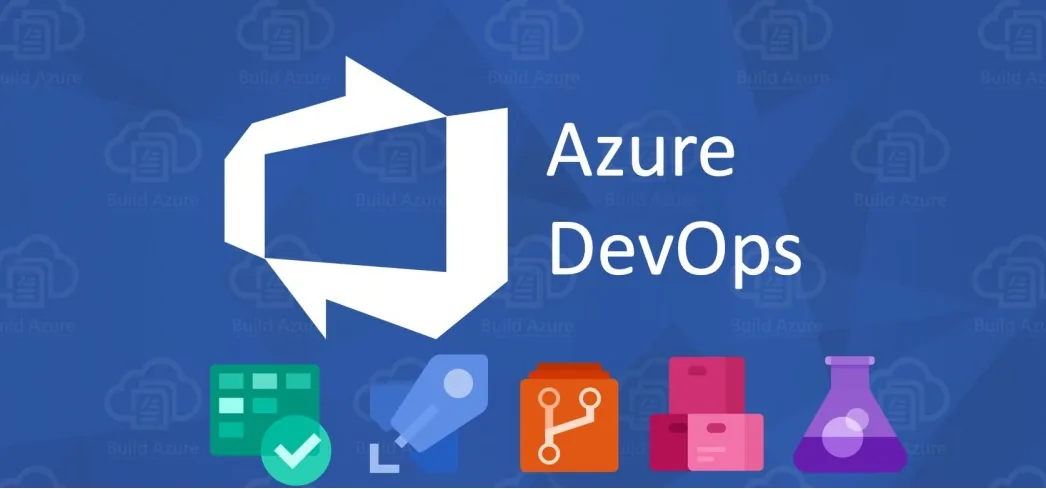
In the fast-paced world of software development, agility and efficiency are paramount to delivering high-quality products that meet customer expectations. Microsoft Azure DevOps provides a robust set of tools to streamline the development lifecycle, fostering collaboration, automation, and continuous improvement. In this article, we will delve into the key components of Azure DevOps, highlighting how each contributes to the seamless delivery of software solutions.

If you would like some assistance with .NET MAUI | Azure | Azure DevOps Services | Blazor Development then please get in touch, we would be glad to help.

Azure Boards
Azure Boards is the agile project management tool within Azure DevOps that empowers teams to plan, track, and discuss work efficiently. Whether your team follows Scrum, Kanban, or a customised agile approach, Azure Boards provides a centralised platform for managing work items, tracking progress, and facilitating collaboration. The tool supports the entire development lifecycle, from ideation to delivery, enabling teams to adapt to changing requirements and deliver value to users faster. Learn more about Azure Boards

Azure Pipelines
Azure Pipelines is the heart of Azure DevOps, offering a comprehensive solution for building, testing, and deploying applications with continuous integration and continuous delivery (CI/CD) pipelines. Supporting any language, platform, or cloud, Azure Pipelines seamlessly integrates with popular version control systems like GitHub. Developers can automate the entire deployment process, ensuring code quality, reliability, and speed. The flexibility of Azure Pipelines empowers teams to choose the tools and frameworks that best suit their development needs. Learn more about Azure Pipelines

Azure Repos
Azure Repos provides cloud-hosted private Git repositories that facilitate seamless collaboration among developers. With unlimited, cloud-hosted repositories, teams can effectively manage their codebase, create branches, and implement pull requests for code reviews. Advanced file management capabilities ensure version control and codebase integrity. By connecting Azure Repos with Azure Pipelines, developers can automate the deployment process directly from their version control environment. Learn more about Azure Repos
Adopting the toolset in practice
A question we hear regularly from teams new to Azure DevOps is whether they need to adopt every service at once. In our experience the answer is no: the value comes fastest when the pieces are introduced in a sensible order. Repos and Pipelines come first, because version control with automated builds is the foundation everything else rests on. From there, branch policies and pull request validation builds keep the default branch releasable at all times, and linking work items to commits and pull requests gives you end-to-end traceability from an idea in Boards to the deployment that shipped it.
Artifacts earns its place as soon as more than one solution shares a library, replacing fragile project references and manually copied binaries with versioned packages. Test Plans tends to come last, and suits teams with a formal QA function or regulated acceptance criteria; lighter-weight teams often get what they need from automated tests in Pipelines alone. Along the way there are small conventions that pay off repeatedly, such as being deliberate about pipeline triggers, which we cover in how to disable continuous integration on YAML pipelines.
There is a governance benefit hiding in this setup too. Branch policies, required reviewers and environment approvals give you an auditable change control process almost for free, which matters to clients who care about a secure development lifecycle as much as delivery speed. Configured once, these guardrails work quietly in the background for every project that follows.

Azure Test Plans
Quality assurance is a critical aspect of software development, and Azure Test Plans offers a comprehensive suite of manual and exploratory testing tools. Teams can create, manage, and execute test cases, ensuring that software meets the highest standards before deployment. With integrated reporting and analytics, developers gain insights into the test coverage, identifying areas for improvement and enhancing overall product reliability. Learn more about Azure Test Plans

Azure Artifacts
Azure Artifacts simplifies the creation, hosting, and sharing of packages within a team. By providing a centralised repository for libraries, binaries, and other artifacts, Azure Artifacts enhances the efficiency of CI/CD pipelines. Developers can seamlessly integrate artifacts into their deployment process with a single click, ensuring consistent and reliable builds across different environments. Learn more about Azure Artifacts
Extensions Marketplace
The Extensions Marketplace is a vibrant ecosystem that extends the functionality of Azure DevOps. With a vast array of extensions built by the community, teams can integrate Azure DevOps with third-party tools and services, such as Slack and SonarCloud. This marketplace fosters customisation and scalability, allowing teams to tailor their development environment to specific project requirements. Learn more about the Azure DevOps Marketplace
Azure DevOps in 2026: still a sound choice
Updated August 2026. A question we are often asked: is Azure DevOps still the right choice, or should everything move to GitHub? As of 2026, Azure DevOps remains fully supported by Microsoft and is still very widely used, particularly in organisations that value Azure Boards for structured work tracking and have mature Pipelines investments. GitHub — with GitHub Actions for CI/CD — is the other mainstream option in the Microsoft family, and it is where much of the newest tooling, including AI-assisted development with Copilot, lands first.
Our take: there is no need to migrate for migration’s sake. Existing Azure DevOps setups keep working and keep receiving updates, and a well-run Boards/Repos/Pipelines installation is an asset, not a liability. For brand-new projects we weigh the team’s workflow: GitHub often suits open collaboration and AI-first tooling, while Azure DevOps still excels at enterprise project management and complex release pipelines — and the two integrate well, so a mixed setup (for example GitHub repos with Azure Boards) is perfectly viable. If you want help choosing, tuning or migrating, see our Azure DevOps services.
At Assemblysoft we specialise in Custom Software Development tailored to your requirements. We can onboard and add value to your business rapidly. We are an experienced Full-stack development team able to provide specific technical expertise or manage your project requirements end to end. We specialise in the Microsoft cloud and .NET Solutions and Services. Our developers are Microsoft Certified. We have real-world experience developing .NET applications and Azure Services for a large array of business domains. If you would like some assistance with Azure | Azure DevOps Services | Blazor Development | .NET MAUI Development or in need of custom software development, from an experienced development team in the United Kingdom, then please get in touch, we would love to add immediate value to your business.

Assemblysoft - Your Safe Pair of Hands