

In the world of API design, choosing the right approach can mean the difference between a scalable, maintainable application and a system that struggles to meet your business’s needs. Among the most popular options are REST APIs and GraphQL, each with unique strengths and challenges. Whether you’re a business owner, CTO, or project lead, understanding these options is crucial for ensuring long-term success.
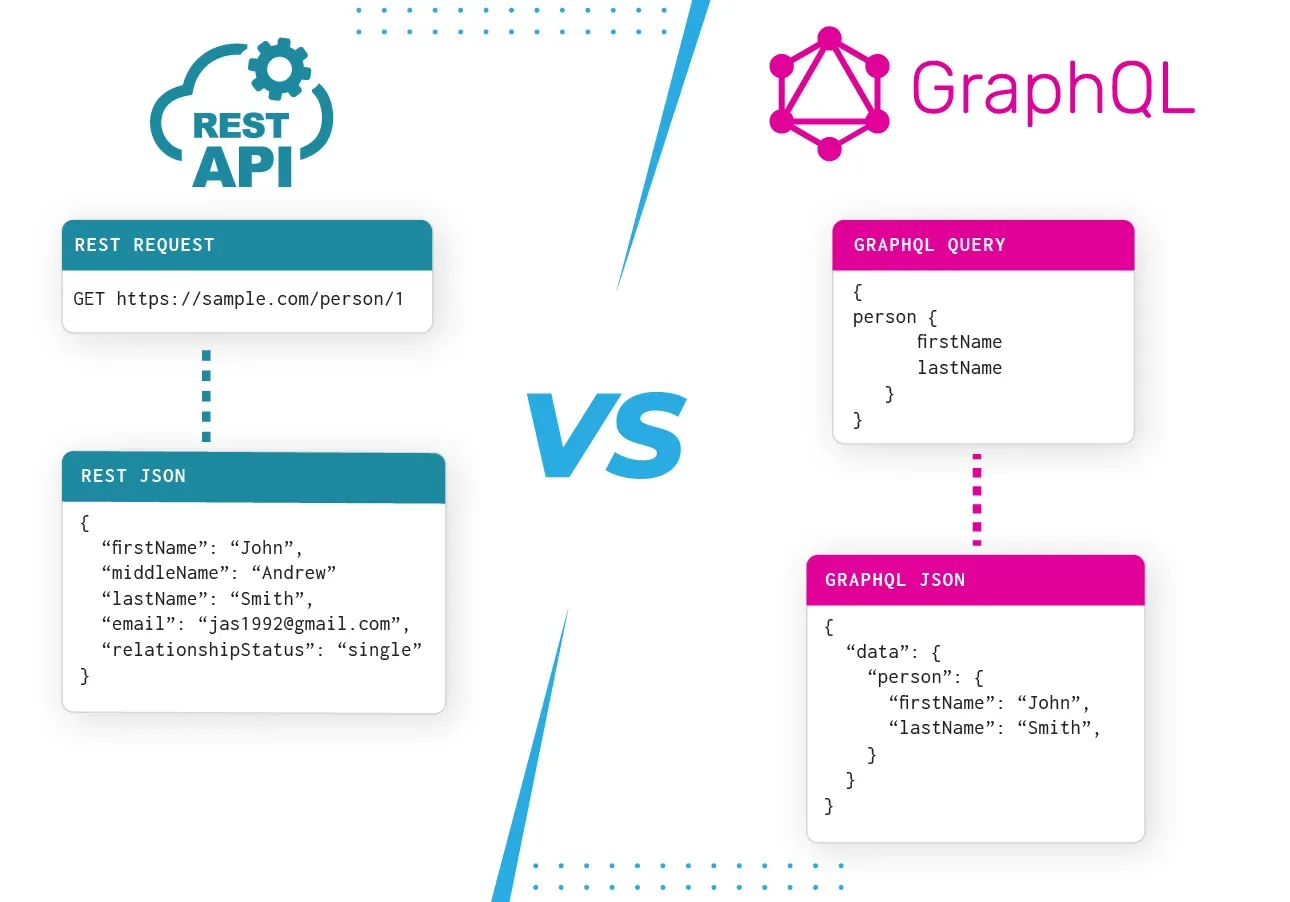
At Assemblysoft, we specialise in API development and integrations. From authentication to scaling and regulatory compliance to deprecation, we handle all the API complexities so your team doesn’t have to. Let’s dive into the specifics of REST APIs and GraphQL to help you decide which is the best fit for your application.
REST: Simplicity and Standardisation
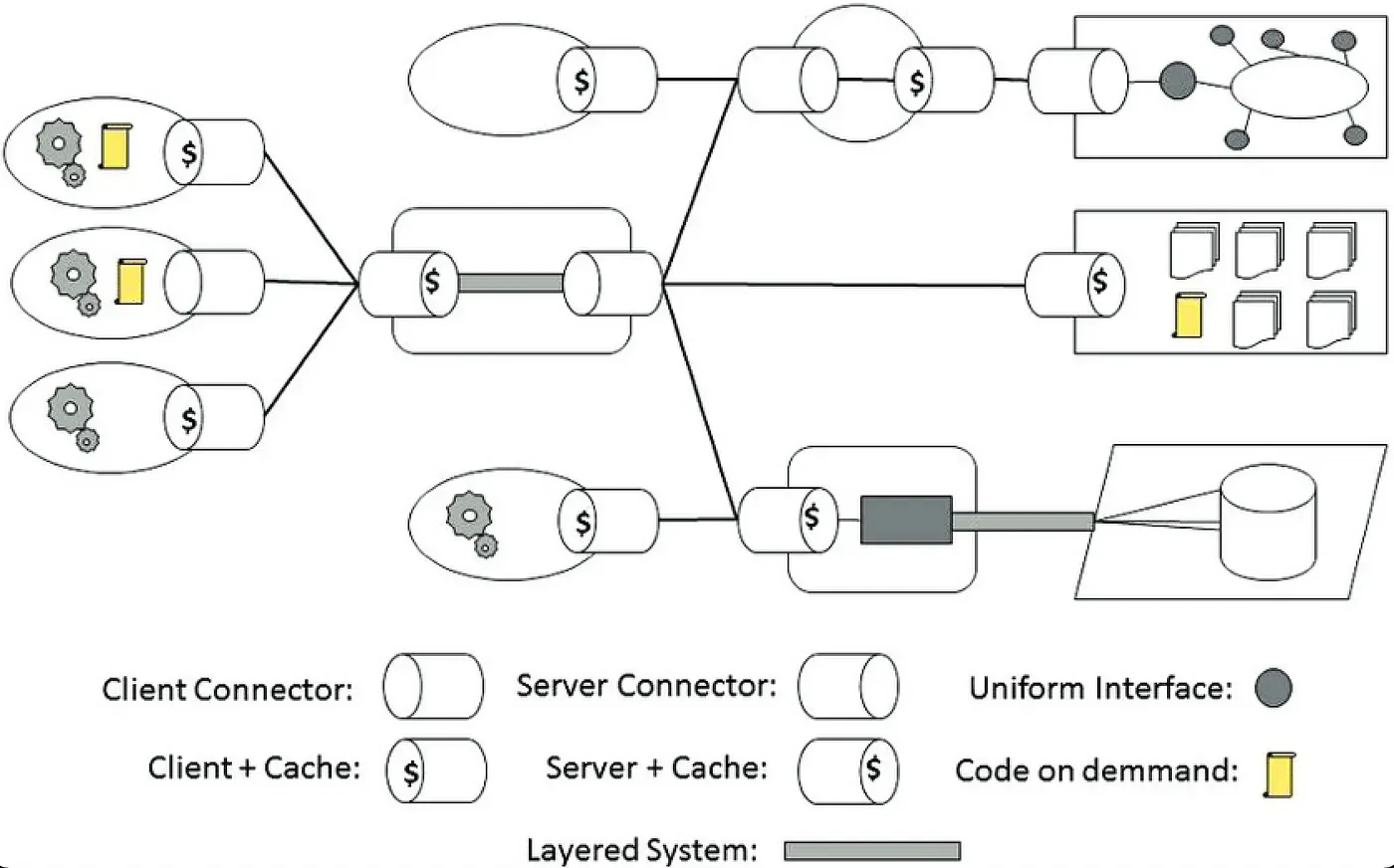
REST (Representational State Transfer) has been the go-to API architecture for years, offering simplicity and standardised methods like GET, POST, PUT, and DELETE.
Advantages of REST
- Uniform Interfaces: REST APIs use predictable methods, making integration and maintenance straightforward.
- Caching: HTTP caching mechanisms like ETags improve performance effortlessly.
- Scalability: Ideal for microservices, REST excels at providing clear service boundaries.
Limitations of REST
- Multiple Roundtrips: Complex data often requires multiple API calls, leading to inefficiencies.
- Overfetching or Underfetching: REST endpoints may provide too much or too little data, increasing payload sizes or requiring additional calls.
Best Use Cases for REST
- Applications with simple, consistent data needs.
- Systems that rely heavily on caching.
- Microservices requiring clear API contracts.
GraphQL: Flexibility and Precision
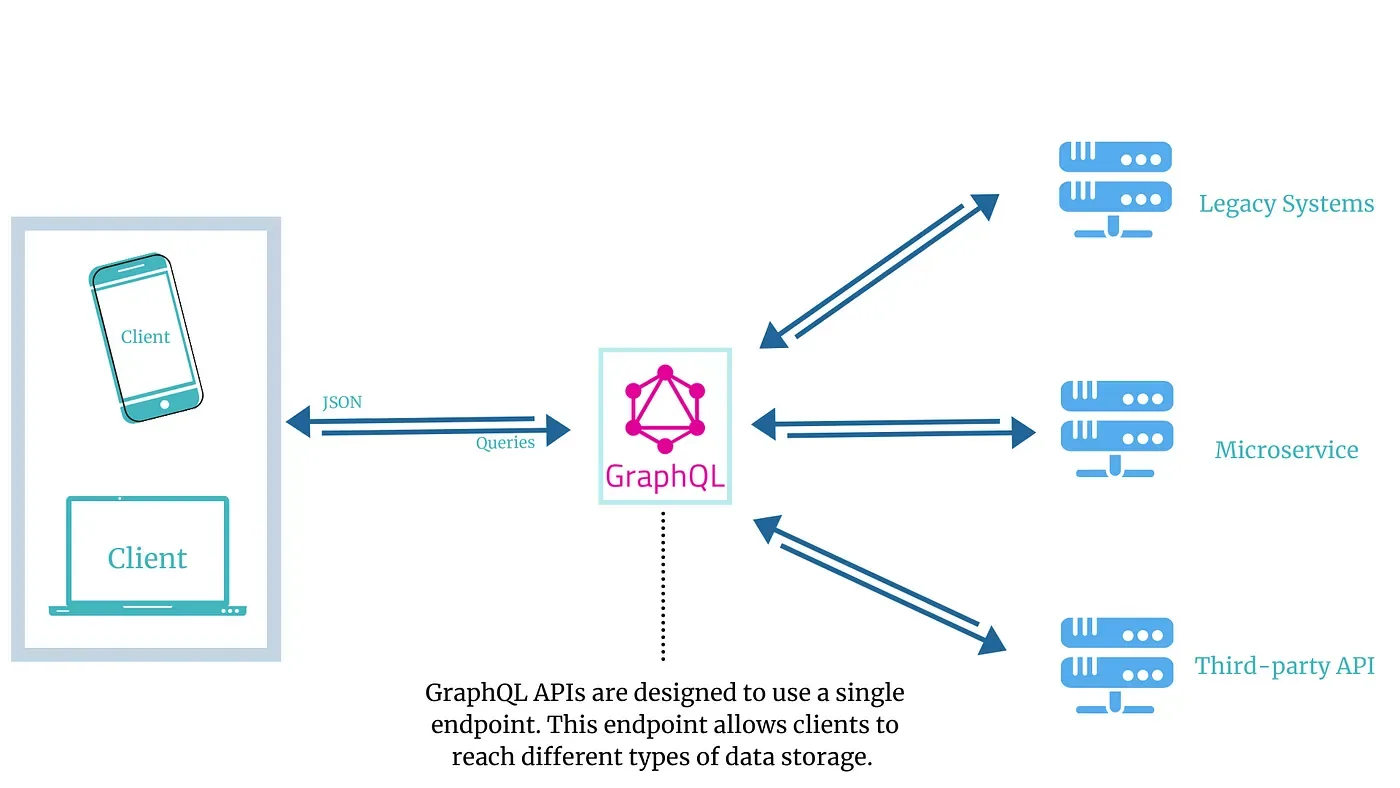
GraphQL, developed by Facebook, takes a declarative approach, enabling clients to request precisely the data they need through a single endpoint.
Advantages of GraphQL
- Single Endpoint: Simplifies communication between client and server.
- Precise Queries: Reduces overfetching and minimises payload sizes.
- Real-Time Features: Supports subscriptions and mutations for dynamic applications.
- Data Aggregation: Combines data from multiple sources seamlessly.
Limitations of GraphQL
- Complexity on the Client Side: Flexibility requires more effort to safeguard against over-querying.
- Caching Challenges: Requires more sophisticated strategies than REST.
Best Use Cases for GraphQL
- Dynamic applications with rapidly changing frontend requirements.
- Scenarios requiring data aggregation from multiple sources.
- Real-time updates and precise data control.
Business Impact of Choosing the Right API Approach
Choosing the right API approach not only streamlines development but also enhances your business outcomes. REST’s simplicity can lead to faster time-to-market for stable services, while GraphQL’s flexibility supports evolving user needs, making it ideal for applications requiring real-time updates or complex data relationships.

How Assemblysoft Tackles Common API Challenges
API development can be fraught with challenges—scalability, integration with legacy systems, and evolving security threats, to name a few. Assemblysoft specialises in mitigating these obstacles with tailored solutions:
- Scalability: Our APIs are designed to grow with your business, ensuring seamless performance under high demand.
- Integration: We excel at integrating modern APIs with existing systems, bridging the gap between old and new technologies.
- Security: From advanced authentication protocols to regular vulnerability scans, we ensure your APIs remain secure and compliant.
Questions We Ask Before Recommending an Approach
Technology comparisons are useful, but the decision is rarely made on features alone. When we advise clients, a handful of practical questions usually settles the debate quickly:
- Who consumes the API? A small number of internal services with stable needs points to REST; many varied frontends requesting different slices of the same data is GraphQL territory.
- How will it be cached? If CDN and HTTP caching are central to your performance strategy, REST's alignment with the web's native caching model is a significant advantage.
- What does your team already know? A pragmatic REST API delivered confidently beats an unfamiliar GraphQL schema delivered hesitantly, and the reverse is equally true.
- Who will govern it? Whichever you choose, someone must own versioning, deprecation and monitoring for the life of the API, not just for its launch.
The good news for teams on the Microsoft stack is that both approaches are first-class citizens. ASP.NET Core provides an excellent foundation for RESTful services, and the ecosystem offers mature GraphQL server libraries that sit naturally alongside it, so our .NET development team can implement either, or both, within a single solution. If you are weighing this choice as part of a wider build, our software development services cover the architecture decisions as well as the implementation.
REST or GraphQL? Making the Right Choice
Your choice between REST and GraphQL depends on your application’s requirements and goals.
Choose REST When:
- Simplicity and standardisation are top priorities.
- Caching is essential for performance.
- API contracts are stable with minimal frontend evolution.
Choose GraphQL When:
- Frontend requirements are complex or frequently evolving.
- Optimising data transfer is a priority.
- Aggregating data from multiple sources or enabling real-time features is necessary.
REST and GraphQL in Practice: Combining the Best of Both Worlds
Many organisations successfully integrate REST and GraphQL:
- Use REST for predictable operations like authentication.
- Leverage GraphQL for data-intensive components such as reporting dashboards.
By combining these approaches, businesses can balance simplicity with flexibility, creating scalable, efficient systems.
How Assemblysoft Can Help
At Assemblysoft, we excel in designing and implementing APIs tailored to your needs. Whether you’re building REST APIs, exploring GraphQL, or integrating both, our team of expert API developers ensures scalable, maintainable solutions.
Why Choose Assemblysoft?
- Expertise: From authentication to scalability, we cover all aspects of API development.
- Security: Robust protocols like encryption and advanced authentication are baked into every solution.
- Compliance: We adhere to GDPR, HIPAA, and ISO27001 standards, giving you peace of mind.
- Documentation: Clear, comprehensive API specs simplify integration and maintenance.
- Support: End-to-end assistance, including 24/7 email support.
Let’s Build Together
Ready to elevate your API strategy? Contact Assemblysoft today and let us help you design scalable, secure, and efficient solutions tailored to your needs. Get Started Now!

FAQs

Do I need to be an API expert to work with Assemblysoft?
No, our team manages everything from design to deployment, ensuring seamless integration for clients of all experience levels.
Why choose Assemblysoft over hiring API developers directly?
Hiring individual developers can lead to inconsistencies and knowledge gaps. Assemblysoft provides sustained API proficiency from a dedicated team.
How do you ensure my APIs are secure and compliant?
We implement stringent security protocols, including advanced authentication, encryption, and regular vulnerability scans. Compliance with GDPR, ISO27001, and HIPAA is guaranteed.
What kind of API documentation can I expect?
We provide clear, comprehensive documentation using tools like Swagger, covering endpoints, request formats, and authentication methods.
Do you test APIs before handing them over?
Yes, we rigorously test APIs using tools like Postman to ensure they’re production-ready.
What level of support is included?
Our support includes initial integration assistance, ongoing maintenance, detailed guides, and 24/7 email support.
Relevant Links: