The beautiful tip of the iceberg
Most of what we build you'll never see. This is the part you can.
- Below the surfaceSaaS platforms, cloud systems and the engineering businesses run on.
- Above itA small glimpse of our UI/UX craft — ten real product interfaces.
- Home
- Industries
- Retail & e-commerce
From the basket to the warehouse, every step automated and monitored
Warehouse ordering automation for an online retailer, storefront enhancements for a national craft brand, a cross-platform trade-services marketplace, and the third-party integrations that make a retail estate work as one.
Software for retail & e-commerce: what we have learned
Retail systems are chains of hand-offs: storefront to order management, order to warehouse, warehouse to courier, payment to ledger, stock to every channel that sells it. The customer only sees the front. The business feels every link, and the weak one is usually an integration somebody wrote once and nobody monitors.
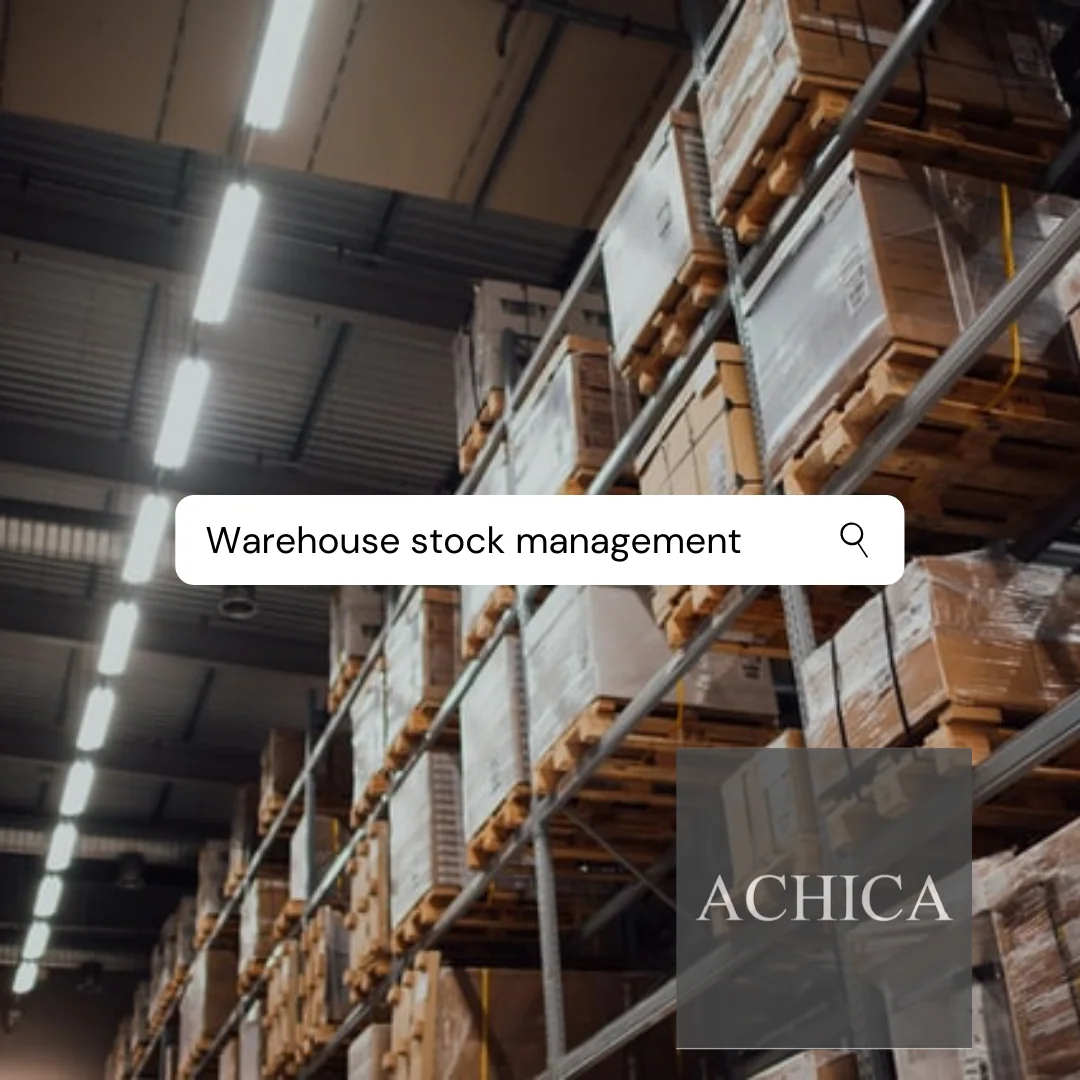
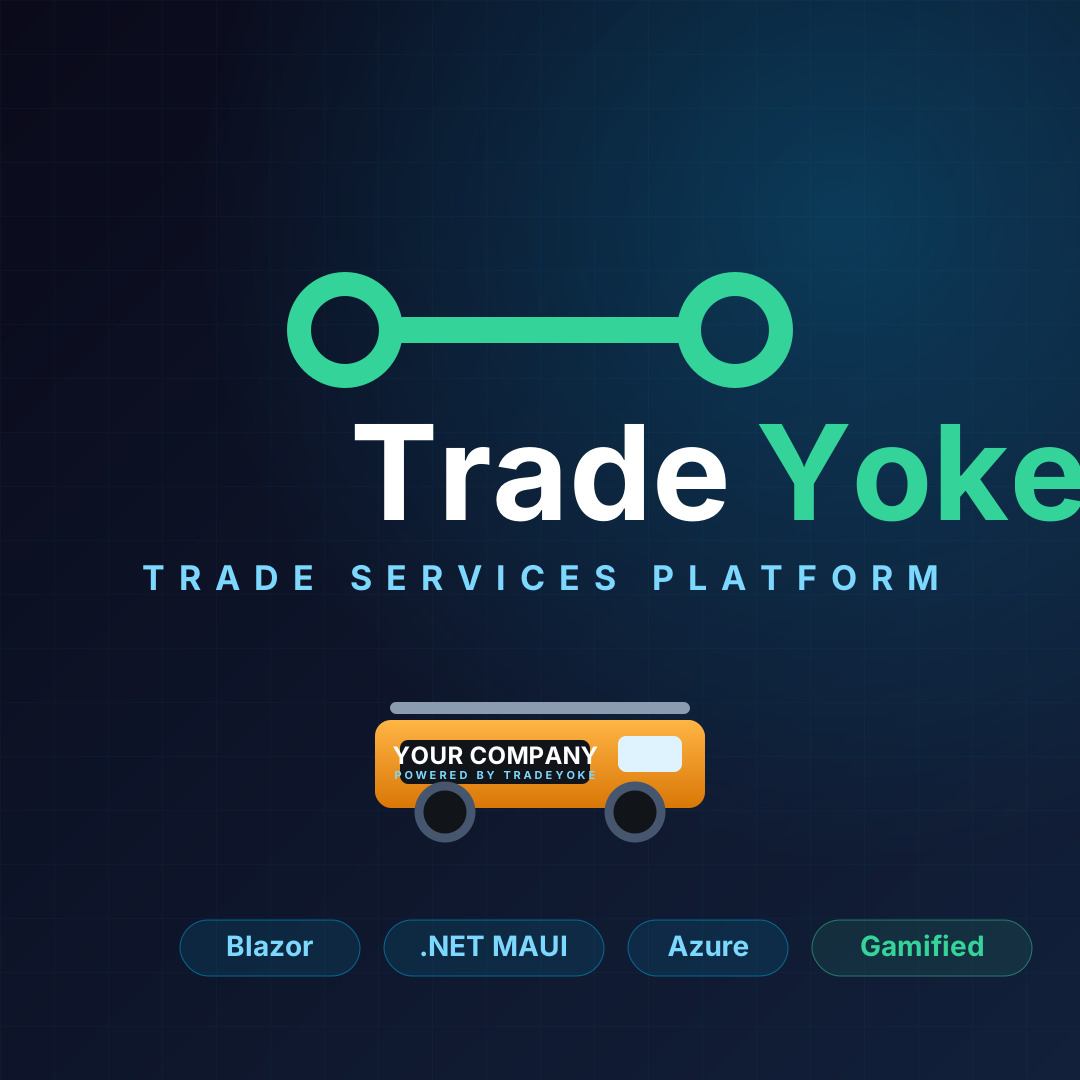
We designed and developed the API client that automated the warehouse ordering process for Achica, an online retailer; delivered website enhancements and a printer-friendly experience for Hobbycraft's customers; built TradeYoke, a modular trade-services marketplace on Blazor and .NET MAUI Blazor Hybrid with jobs, payments and dashboards across web, iOS, Android and Windows; and provided integration development against third-party .NET APIs where the documentation was thin and the deadline was not.
The pattern is the same each time: understand the whole chain, automate the hand-offs, make every integration a monitored dependency with its own runbook, and support the result under an SLA so peak trading never depends on luck.
What makes retail & e-commerce software hard
The problems we are usually called about. If two of these sound familiar, the conversation is worth having.
Orders re-keyed between systems
When the storefront and the warehouse do not talk, someone types. Every keystroke is a delay, a cost and a chance to get it wrong.
Stock that disagrees with itself
Website, marketplace, shop floor and warehouse each hold a number. Overselling and phantom stock follow.
Integrations nobody owns
Courier, payment, marketplace and ERP APIs change without notice. The first symptom is a customer email.
Peak trading on an old platform
Black Friday arrives on the same infrastructure as a Tuesday in February. Performance and cost both need a plan.
Our answer, in retail & e-commerce
Built on .NET, Blazor and Azure by a UK team with Microsoft-certified engineers, and supported under a written SLA once it is live.
Order and warehouse automation
API clients and workflow that move orders from storefront to warehouse to courier without a human in the loop, with reconciliation reports so finance can trust the numbers.
Storefront and CMS development
Enhancements to existing sites and content platforms, including Orchard Core and Umbraco, delivered without a replatform and measured against real customer behaviour.
Marketplace and multi-sided platforms
Modular platforms with jobs, listings, payments, dashboards and gamification, shipped from one Blazor codebase to web, mobile and desktop.
Integration you can see
Every third-party API becomes a monitored dependency: health checks, idempotent retries, alerting and a runbook, reported monthly.
Retail & e-commerce work we can show you
Systems we have built, taken over and moved forward for organisations like yours. Full write-ups on each page, and reference conversations on request.

Technology we use for retail & e-commerce
One Microsoft stack, end to end, so there is one team to call and no hand-off gap in an incident.
Further reading
Security, compliance and continuity
Payment integrations are designed so card data stays with the payment provider, API credentials are held in Azure Key Vault and rotated, and every integration ships with monitoring and a runbook. Our MSA, DPA and Cyber Essentials Plus certification are published in the Trust Centre.
Retail & e-commerce software: frequently asked questions
Can you automate our ordering process without replacing our e-commerce platform?
Yes. Most retail automation is integration work around the platform you already have: an API client between storefront, order management and warehouse, with reconciliation so finance can trust the totals. Replacing the platform is rarely necessary to remove the re-keying.
Which platforms and APIs have you integrated with?
Warehouse and order management systems, courier and payment providers, accounting packages, marketplaces and bespoke third-party .NET APIs. The approach is the same each time: understand the contract, build idempotent retries, monitor it, and write the runbook.
Do you build mobile apps for marketplaces and customers?
Yes. TradeYoke ships to web, iOS, Android and Windows from one Blazor codebase using .NET MAUI Blazor Hybrid, including payments, dashboards and gamification. The same approach suits customer apps and staff tools.
How do you prepare a retail platform for peak trading?
Load testing before the season, Azure autoscaling and queues for spikes, cost monitoring so the peak does not become a permanent bill, and a rehearsed on-call route so a P1 on the busiest day reaches a named engineer within the SLA.
Can you support a storefront or integration another agency built?
Yes. Discovery gives you a written assessment and risk register; onboarding adds monitoring, runbooks and tests; then a named team supports it under an SLA. See development partner transition.
Industries we also work in
Talk to us about your retail systems
Tell us what you run and what keeps you up at night. A short conversation, under NDA if you prefer, is enough to tell you honestly whether we are the right partner and what the first step would cost.
Book an initial discussion Watch how we partnerCyber Essentials Plus · UK-based team · Microsoft Partner · Published rate card and Trust Centre
Start a meaningful conversation with us today.
Assemblysoft are Your Safe Pair of Hands

Azure

Azure DevOps